
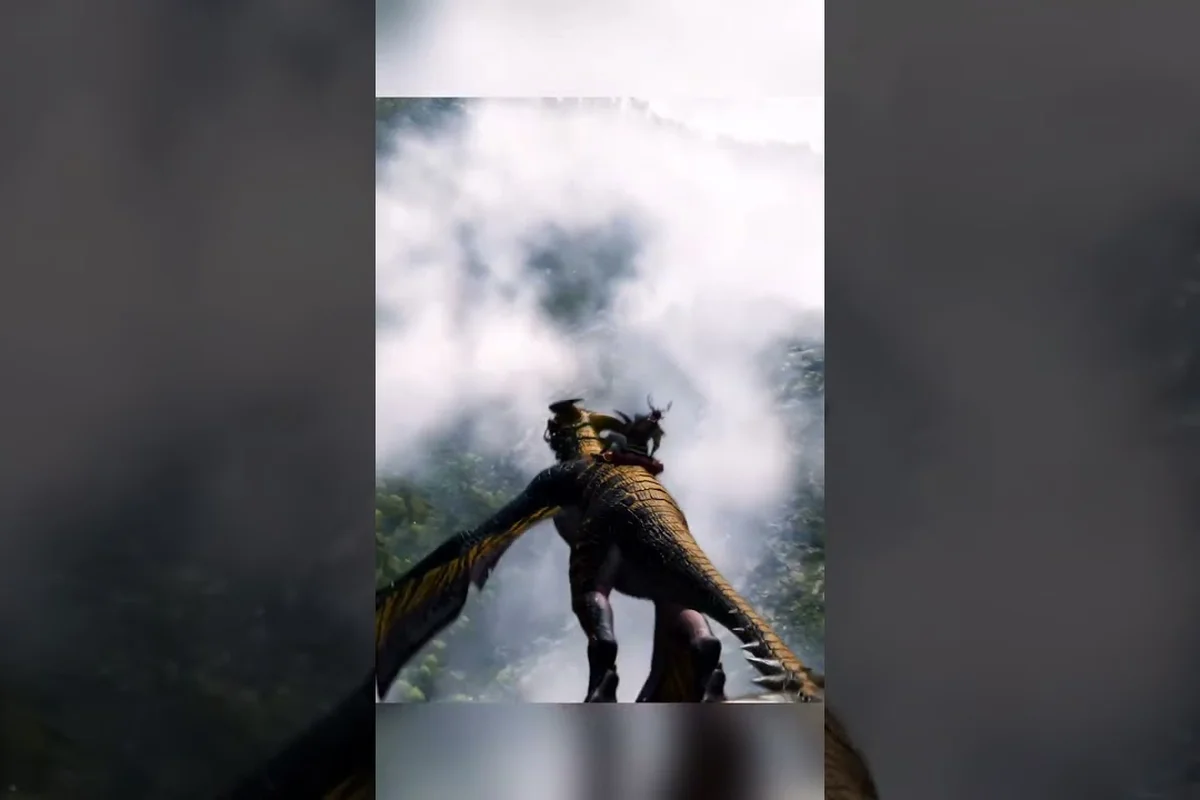
The forests of Light No Fire are among the most deceptive environments on the procedurally generated planet, because their dense canopies hide everything from shallow cave mouths to weather-driven seasonal shifts that can strand unprepared explorers. Understanding how light no fire forests function is critical for anyone who wants to gather rare resources, locate underground entrances, or simply survive the night cycle without losing their bearings. This guide breaks down the forest biome structure, cave systems, seasonal weather patterns, and the compass navigation techniques that experienced players rely on when they venture into the deep woods.
Forest Sub-Biomes and Their Resources
The forest biome in Light No Fire is not a single uniform environment, and that is the first thing new players need to grasp when they step off the grassy plains and into the treeline. According to the official Light No Fire page on Steam, the game presents "a massively varied and dense planet filled with immersive biomes," which means forests range from temperate deciduous woodlands to near-impenetrable coniferous thickets, each with its own resource distribution and wildlife threats.
What makes light no fire forests particularly challenging is the verticality. Trees grow to massive scale, and the canopy can block direct sunlight for most of the day, which affects both temperature and visibility. Players who have spent time in the early access community report that forest floors stay damp and cool even when the surrounding plains are warm, and this microclimate directly influences which plants and fungi you can harvest.
The forest biome also serves as a natural transition zone between several other environments. You will frequently find forest edges bordering grasslands, rocky highlands, and river systems, and each transition point tends to generate unique resource nodes that do not appear deeper in the woods. This makes forest boundaries valuable for resource runs, but it also means you need to pay attention to your surroundings because enemy spawns shift dramatically at these edges.
| Forest Type | Canopy Density | Common Resources | Primary Threat |
|---|---|---|---|
| Temperate Deciduous | Moderate | Hardwood, Berries, Herbs | Wild Boar Packs |
| Coniferous Thicket | High | Resin, Pine Bark, Mushrooms | Ambush Predators |
| Flooded Lowland Forest | Low | Reeds, Clay, Rare Fish | Deep Water Hazards |
| Ancient Grove | Extreme | Enchanted Wood, Rare Fungi | Guardian Creatures |
The Ancient Grove subtype deserves special attention because it only spawns in specific regions and contains the highest-value forest resources in the game. Players have reported finding Enchanted Wood nodes here that are required for mid-tier magic staff crafting, which makes these groves a frequent destination for experienced explorers despite the Guardian Creatures that patrol them.
Navigating Light No Fire Caves and Underground Entrances
Beneath the forest floor lies an extensive network of light no fire caves that connects to the wider underground world, and learning to spot their entrances is a skill that separates successful explorers from those who spend hours wandering in circles. Cave mouths in forest biomes rarely appear as obvious dark holes; instead, they are often hidden behind root systems, under fallen logs, or at the base of cliff faces where the terrain dips suddenly.
The relationship between forests and the underground is bidirectional, because cave systems frequently open up into subterranean grottos that contain their own unique flora adapted to grow without sunlight. These underground gardens are some of the most rewarding discoveries in the game, offering rare mushrooms and minerals that cannot be found on the surface, but they also require careful navigation because the cave networks are procedurally generated and do not follow predictable patterns.
When you are exploring light no fire underground areas, the most important habit to develop is marking your entry point before you descend. Unlike open-surface navigation where you can orient yourself by distant landmarks, cave systems all look similar after a few hundred meters, and without a clear reference point you can easily become disoriented. Experienced players recommend placing a custom map marker at every cave entrance you discover, because the game does not automatically record cave locations on your map.
Recognizing Cave Entrance Patterns
Cave entrances in forest biomes tend to follow recognizable patterns that you can learn to spot with practice. The most common indicator is a cluster of moss-covered rocks that seem out of place compared to the surrounding terrain, because the moisture from the cave system promotes moss growth on the surface rocks above it. Another reliable sign is a slight depression in the ground where the soil has settled into an underground void, often marked by a ring of darker vegetation.
Underground Resource Distribution
Once you are below the surface, resource distribution follows a rough depth-based gradient that community testing has mapped out. The upper cave layer (0-50 meters down) contains iron deposits and basic fungi, while the middle layer (50-150 meters) introduces copper, silver, and the first rare mineral veins. The deep layer (150+ meters) is where you find the most valuable resources, but it also has the highest concentration of hostile creatures that have adapted to the darkness.
| Cave Layer | Depth Range | Primary Resources | Danger Level |
|---|---|---|---|
| Upper Layer | 0-50m | Iron, Basic Fungi, Clay | Low |
| Middle Layer | 50-150m | Copper, Silver, Glowing Moss | Moderate |
| Deep Layer | 150m+ | Rare Minerals, Enchanted Ore | High |
| Subterranean Grotto | Variable | Unique Flora, Ancient Relics | Extreme |
The Subterranean Grotto is a special cave type that connects to the surface through forest entrances but contains its own ecosystem, complete with bioluminescent plants and water sources that do not freeze even during the coldest seasons. These grottos are the only places where you can find Ancient Relics, which are required for certain high-level crafting recipes, so they are worth the risk despite the Extreme danger rating.
Light No Fire Weather and Seasonal Patterns
The weather system in Light No Fire operates on a full seasonal cycle that dramatically affects forest navigation, and understanding these patterns is essential because the same forest path that is safe in summer can become impassable during winter storms. The game simulates a complete planetary climate model, which means weather is not random but follows predictable seasonal trends that players can learn to anticipate.
Spring in the forests brings heavy rainfall that swells rivers and creates temporary flood zones in low-lying areas. This is the season when flash flooding becomes a real danger, because the water level can rise several meters in a matter of minutes during intense storms. Players who are exploring light no fire forests during spring should always have an escape route to higher ground, because getting caught in a flood zone can sweep you into a cave system you did not intend to enter.
Summer is the driest season, which makes forest navigation easier but introduces a different threat: wildfire risk. While fires do not spread dynamically across the entire map, certain forest regions can become dry enough that lightning strikes during summer thunderstorms ignite localized fires that destroy resource nodes. Community reports suggest that these fire events are temporary and the forest regenerates after a few in-game days, but they can disrupt your resource gathering plans if you are not paying attention to the weather forecast.
Seasonal Navigation Adjustments
Autumn brings falling leaves that create a thick ground cover, which actually helps with navigation because the leaf layer makes animal tracks more visible. However, autumn also brings fog events that reduce visibility to less than 20 meters, making compass navigation essential because you cannot rely on visual landmarks. Winter is the most challenging season for forest travel, because snow accumulation changes the terrain profile and can hide cave entrances entirely.
| Season | Primary Weather | Navigation Impact | Key Hazard |
|---|---|---|---|
| Spring | Heavy Rain | Reduced visibility, flooded paths | Flash Flooding |
| Summer | Dry Heat | Clear visibility, fire risk | Wildfire Events |
| Autumn | Fog Events | Limited visual range | Getting Lost |
| Winter | Snow Storms | Terrain changes, hidden entrances | Hypothermia |
The fog events in autumn are particularly dangerous for new players because they can turn a familiar forest path into an unrecognizable maze within minutes. According to player reports, the fog is not purely visual; it also seems to muffle sound, making it harder to hear approaching enemies or the sound of running water that might indicate a nearby cave entrance.
Compass Navigation in Dense Forest Terrain
The compass in Light No Fire is your most reliable navigation tool when you are deep in the woods, because the dense canopy blocks most visual landmarks and the procedural terrain does not always match your mental map. Unlike real-world compasses that point to magnetic north, the in-game compass points to a fixed world direction, which makes it consistent across all regions and seasons.
Mastering light no fire compass navigation requires more than just knowing which direction is north. You need to develop a habit of checking your compass regularly and correlating it with your map position, because the forest terrain can subtly rotate your sense of direction even when you think you are walking in a straight line. This is especially true on slopes, where the effort of climbing can distract you from maintaining a consistent heading.
One technique that experienced players recommend is the bracketing method, where you pick a compass bearing that leads to a known landmark and then deliberately walk at an angle to that bearing, correcting your course every 50 meters or so. This prevents the natural drift that occurs when you try to walk in a straight line through uneven terrain, and it is significantly more reliable than trying to maintain a perfect heading over long distances.
Using Landmarks with Compass Bearings
The most effective navigation strategy combines compass bearings with natural landmarks, because each compensates for the other's weaknesses. The compass gives you a consistent directional reference, while landmarks confirm that you are on the correct path and help you estimate distance traveled. When you enter a forest, note the compass bearing of the sun's position, because this gives you a rough time reference that helps you estimate how much daylight remains.
Creating Personal Waypoint Systems
Beyond the basic compass, the game allows you to create custom waypoints that appear on your compass display, and building a personal waypoint system is one of the most valuable habits you can develop. Mark your base location, known cave entrances, resource-rich areas, and safe water sources, because this creates a navigation network that makes forest travel significantly safer. The map and navigation guide covers waypoint management in more detail, including how to organize your markers by priority and region.
| Navigation Tool | Best Use Case | Limitation |
|---|---|---|
| Compass Bearing | Long-distance direction | No distance information |
| Map Markers | Fixed locations | Requires manual placement |
| Sun Position | Time estimation | Obscured by canopy |
| Water Flow | Finding cave entrances | Only near water sources |
The sun position technique is surprisingly useful in forests despite the canopy coverage, because you can often see the sun's glow through the leaves even when you cannot see the sun itself. This gives you a rough east-west reference that complements your compass, and it is especially helpful during the fog events when distant landmarks are invisible but the sun's diffused glow is still visible through the mist.
Survival Strategies for Forest Exploration
Surviving extended expeditions into light no fire forests requires preparation that goes beyond basic navigation skills, because the combination of dense terrain, seasonal weather, and hostile wildlife creates challenges that do not exist in open environments. The most successful explorers treat forest expeditions as multi-stage operations rather than simple resource runs, which means planning for contingencies before you leave your base.
Your first priority should be shelter planning, because the weather can turn against you quickly and the forest does not offer many natural shelters. While caves provide excellent protection from rain and snow, they also attract hostile creatures, so you need to balance safety from weather against safety from enemies. A simple lean-to shelter built from forest materials can serve as an emergency refuge, but it will not protect you from extreme cold during winter storms.
Resource management is equally important, because the forest environment can drain your supplies faster than you expect. The combination of physical exertion from climbing and the cold microclimate means you burn through food and warmth faster than you would on open plains, so experienced players carry emergency rations and fire-starting materials on every forest expedition, even if they plan to return to base before nightfall.
Essential Gear for Forest Expeditions
| Gear Item | Purpose | Priority |
|---|---|---|
| Compass | Navigation | Essential |
| Fire Starter | Warmth, cooking | Essential |
| Rope | Cave descent, climbing | High |
| Water Skin | Hydration | High |
| Torch | Cave lighting | High |
| Emergency Rations | Survival backup | Medium |
The rope item deserves special attention because it is the difference between being able to descend into a promising cave entrance and having to walk around looking for a safer path. Many cave entrances in forest biomes are vertical shafts that require rope to descend safely, and without it you are forced to skip potentially valuable underground resources.
Dealing with Forest Wildlife
Forest wildlife in Light No Fire ranges from passive herbivores to aggressive predators, and understanding their behavior patterns is essential for safe navigation. Most forest creatures are active during specific times of day, with nocturnal predators posing the greatest threat during night expeditions. If you must travel at night, stay on high ground where you can spot approaching threats before they get close, and avoid dense undergrowth where ambush predators like to hide.
Frequently Asked Questions
What is the best way to find cave entrances in Light No Fire forests?
Look for clusters of moss-covered rocks, ground depressions with darker vegetation, and the base of cliff faces where terrain dips suddenly. Water flowing into the ground is also a strong indicator of a cave system below. Mark every entrance you find with a custom waypoint before descending.
How do seasonal weather changes affect forest navigation?
Spring brings flash flooding that can sweep you into unintended caves, while autumn fog events reduce visibility to under 20 meters. Winter snow hides cave entrances and changes terrain profiles, and summer wildfires can destroy resource nodes. Each season requires adjusting your navigation strategy and carrying appropriate gear.
Does the compass work underground in Light No Fire caves?
Yes, the compass maintains its directional reading underground, which makes it invaluable for cave navigation. Use it to track your heading relative to your entry point, and combine it with custom waypoints to avoid getting lost in the procedurally generated cave networks.
What resources are unique to forest biomes?
Forests uniquely yield hardwood, resin, berries, herbs, and subtype-specific mushrooms. Ancient Groves add Enchanted Wood for magic staff crafting, while underground grottos beneath these biomes hide Ancient Relics for high-level recipes. Navigate via compass through dense terrain to locate these grottos efficiently.
How do I survive winter storms while exploring forests?
Carry fire-starting materials and emergency rations on every expedition, because the forest microclimate is colder than surrounding areas. Build a lean-to shelter or find a cave before the storm hits, and avoid low-lying areas where cold air collects. Check the weather forecast before leaving base.