
Building
Base building and persistent settlements are core to Light No Fire — construction materials, storage, co-op building and community settlements on the shared Earth-sized planet.
Introduction
Building is one of Light No Fire's four official pillars, and the reveal made it clear that this is not a game about disposable shelters. The official language describes 'persistent settlements' and the ability to 'build a life with players from across the globe,' which points to a shared-world construction system where structures remain in place for other players to discover. The trailer shows wooden buildings, camps and community settlements being raised across diverse terrain, and the website frames construction as a way to leave a permanent mark on the procedural Earth. This category covers everything known about the building system — persistence, materials, storage, base locations and co-op construction — while clearly separating confirmed messaging from the community's expectations about base defense, underwater building and home teleportation.
Building System Snapshot
| Aspect | What We Know | Player Impact |
|---|---|---|
| Persistence | Structures persist in the shared world | Your base remains for others to find |
| Community settlements | Build a life with players worldwide | Shared towns and trading hubs |
| Crafting | Gather materials to craft and build | Wood and stone foundation loop |
| Any biome | Construct homes anywhere | From mountain peaks to coasts |
Building Features
Persistent Structures
Buildings that remain part of the shared world
Community Settlements
Shared towns built with players across the globe
Crafting & Materials
The gather-to-build loop behind every structure
Base Locations
Build anywhere — from mountain peaks to oceanside coasts
Core Mechanics
Light No Fire's building system is presented as the survival sandbox's backbone, tied directly to the crafting loop. Players gather materials — wood, stone and other resources from the procedural world — and use them to construct everything from a starter shelter to elaborate community settlements. The defining feature is persistence: official messaging says buildings persist in the shared world, meaning your constructions remain part of the planet for other players to see, use and build around. This turns building from a personal convenience into a form of world-building, where settlements become landmarks and meeting points on an Earth-sized map. Co-op construction is implied by the shared-world design, with 'build a life with players from across the globe' framing building as a social activity. The site also confirms you can build in any biome, from mountains to oceanside coasts, which means location choice — rather than the game — decides where your home lives.
Advantages
Mastering building in Light No Fire gives you a persistent presence in the game's biggest attraction: a shared Earth. A well-built base becomes a functional hub — storage for gathered resources, a safe respawn point and a staging ground for expeditions — while a settlement built with others becomes a landmark other players remember. The persistence mechanic means your construction work is never wasted; it stays on the planet for the lifetime of the world, which rewards careful location choice and quality craftsmanship. Building also creates natural social gameplay: community settlements become gathering places where players trade, share discoveries and coordinate exploration. For explorers, a network of small camps and safe houses across the map turns the daunting Earth-sized world into a navigable home turf. Because building is a core pillar, it will likely tie into progression, giving you a reason to improve both your base and your skills.
Challenges
Building in a shared persistent world comes with challenges the trailer does not answer. Resource gathering on an Earth-sized map means travel time — you may build far from essential materials, or find the perfect scenic spot has no nearby wood or stone. Persistence has a flip side: a public shared world raises questions about who can modify or damage structures, and whether griefing protection exists is completely unconfirmed. Base defense, underwater building and home teleportation are all popular community theories with no official backing, so planning around them is risky. New players also face the classic survival trap of overbuilding: a massive castle on day one is impressive but takes hours of gathering that could have gone to tools, weapons or a mount. The best approach is to start small, secure resources, and grow your settlement as the game's real mechanics become known.
Frequently Asked Questions
Do buildings persist in Light No Fire?+
Can you build with friends in Light No Fire?+
Where should I build my base in Light No Fire?+
Quick Tips
Start with a small, functional shelter before building your dream base. A starter camp with storage and a safe respawn point protects early progress while you learn the crafting loop on the Earth-sized world, and expanding later is far easier than starting over after a wasted first day. A safe, reliable home base is the foundation every other activity builds on.
Scout your location from the air. Using a flying mount to survey terrain — water access, wood, stone and defensibility — saves hours compared to walking and rebuilding, so take the time to view several candidate sites before you commit your gathered materials to a foundation. Good decisions made now save hours of rebuilding and regret later.
Remember persistence cuts both ways. Structures stay in the shared world, so choose locations thoughtfully and be aware that griefing protection and edit permissions are not yet confirmed by Hello Games, meaning you should build in ways you are comfortable with other players seeing. When in doubt, build smaller and friendlier rather than larger and more exposed.
Plan a resource strategy, not just a blueprint. Gathering materials on a 1:1 Earth map can mean long travel, so build near your primary resources or invest in mounts to shorten the haul, and establish a dedicated gathering route before you start raising walls. A steady supply chain matters more than a perfect floor plan in the early game.
Consider community settlements as a strategy. Building with others creates shared storage, trading hubs and a memorable landmark — and the official site frames this as the intended social loop, so joining or founding a settlement early can give you a ready-made support network. Shared settlements turn a lonely survival game into a living community on the planet.
Featured
Light No Fire Base Upgrade: Teleport & Custom Builds
Upgrade your base with custom builds, underwater structures, and terrain placement. Discover fast travel via teleport mechanics for efficient exploration.

Light No Fire Multiplayer Building: Wood & Stone Co-op
Use the Light No Fire multiplayer building guide to gather wood and stone, decorate shared homes, and construct structures that persist for every player.
Light No Fire Community Building: Towns & Defense Tips
Create thriving towns with the Light No Fire community building guide. Learn base defense, campsite setups, and construction tools for multiplayer survival.
All Articles
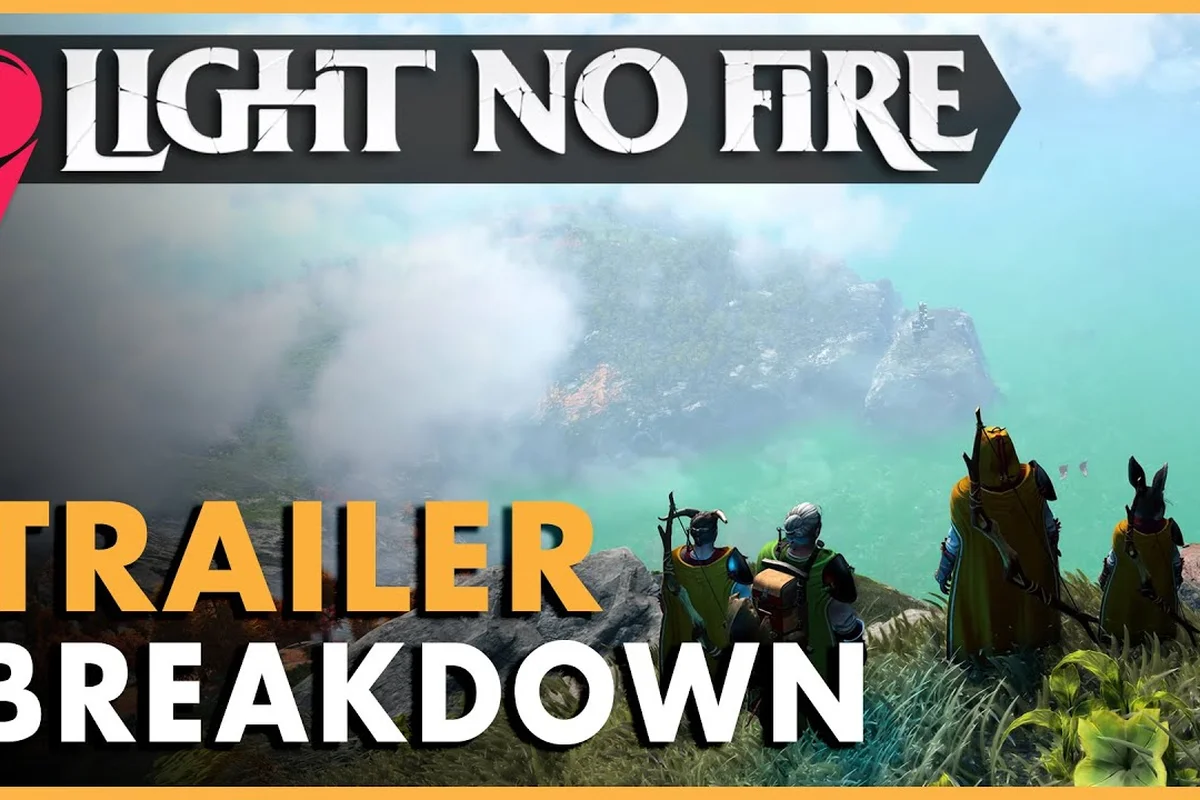
Light No Fire Crafting Guide: Base Recipes & Building
Master the Light No Fire crafting guide: craft tools, structures, and upgrades. Find best base locations and essential build materials for settlements.

Light No Fire Settlement Guide: Villages & Storage Chests
Establish thriving villages with the Light No Fire settlement guide: crafting, construction, storage chests, and persistent community life on Earth.
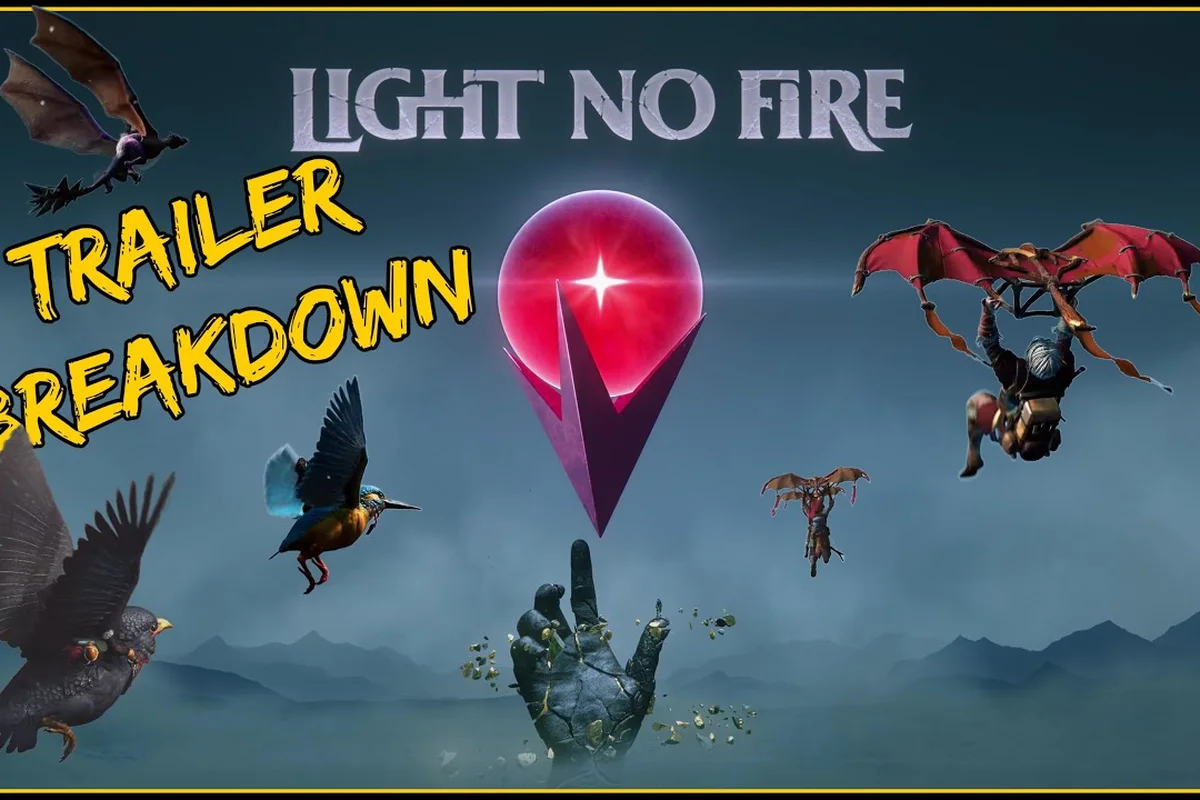
Light No Fire Shelters: Build Camps, Repair & Furnish
Craft sturdy shelters with camps, repair systems, and furniture placement. Master Light No Fire co-op building for shared survival on the fantasy Earth.
Light No Fire Base Building: Persistent Homes & Materials
Build lasting homes with the Light No Fire base building guide: gather materials, master construction mechanics, and place structures anywhere.