
Mounts & Dragons
Fly dragons, tame wild beasts and ride across the fantasy planet — Light No Fire mount types, taming, saddles and sea travel shown in the reveal trailer.
Introduction
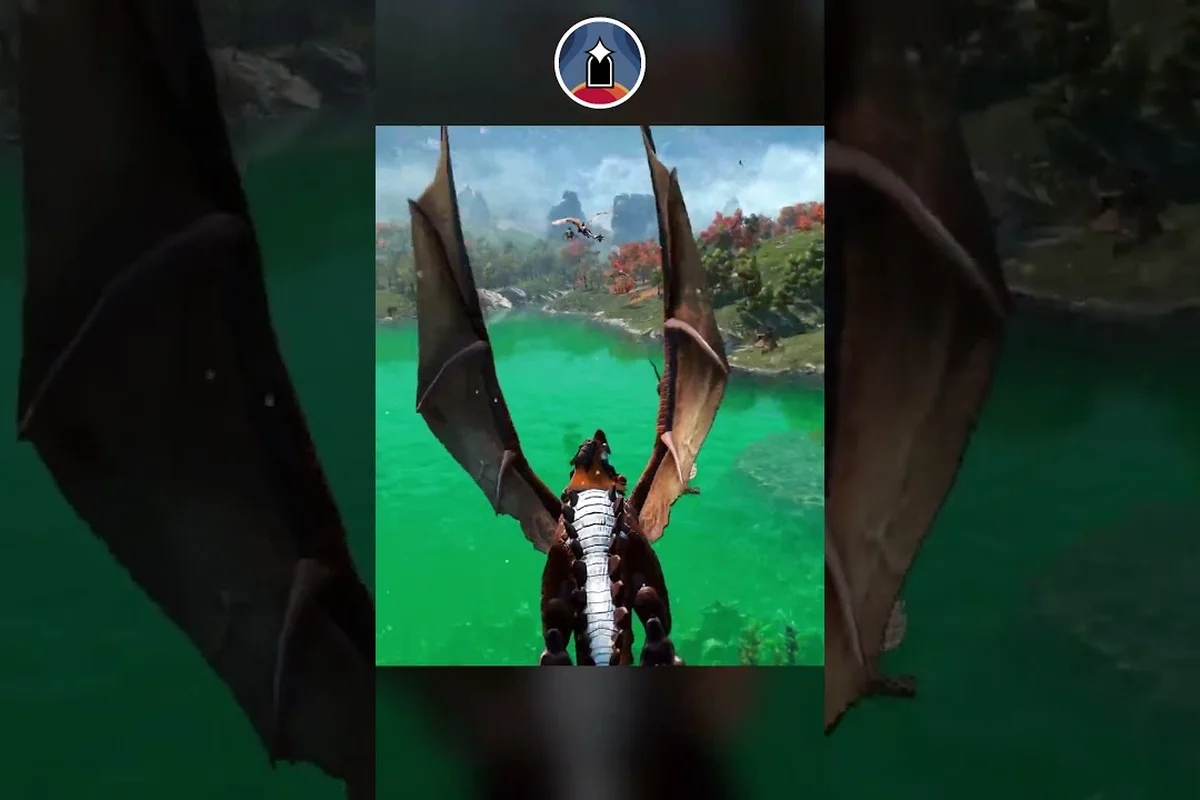
If there is a single image that defines Light No Fire, it is a player flying a dragon across a vast, unexplored landscape. Mounts and dragons are the game's signature fantasy feature and one of the most searched topics in the community. The official site tells us you can 'fly dragons, ride wild beasts' and that real oceans must be crossed 'with large boats and crews.' This category collects everything shown or stated about the mount system: the flying dragon that anchors the reveal trailer, the rideable beasts seen across official media, the implied taming and saddle mechanics, and the separate but related sea travel system with boats and crews. Because the game is unreleased, confirmed facts are limited to what is visible on screen and written on the official site; the rest is clearly marked as community expectation.
Mount & Travel Types
| Mount | Type | Movement | Status |
|---|---|---|---|
| Flying dragon | Aerial | Soaring over mountains and oceans | Confirmed |
| Wild beasts | Ground | Riding across plains and terrain | Confirmed |
| Boats & crews | Sea | Crossing vast oceans with crews | Confirmed |
Mount Roster
Flying Dragon
The signature aerial mount of Light No Fire
Rideable Wild Beasts
Ground mounts for everyday travel across the fantasy planet
Boats & Crews
Sea travel across the vast real oceans of the Earth-sized world
Saddles & Gear
The equipment layer expected between you and your mount
Core Mechanics
The mount and travel systems of Light No Fire are built for a planet the size of Earth, which explains why the developers show three distinct scales of movement. The flying dragon is the flagship — a creature you can ride through the sky, seen prominently in the trailer crossing dramatic landscapes and suggesting both exploration and a sense of spectacle. Wild beasts cover ground travel, letting players ride animals across plains and terrain the way a fantasy world would require. Ocean travel is presented as a larger operation: the official language mentions crossing 'real oceans' with 'large boats and crews,' implying ships that need players to crew them. Taming is the implied method for acquiring dragons and beasts, with saddles likely needed to ride them, though no specific mechanics, taming timers or saddle recipes have been shown. Egg hatching, breeding and mount customization are popular community theories with no official support.
Advantages
Mounts and dragons are the fastest path to a memorable Light No Fire experience, and understanding them early has real benefits. A flying dragon solves the core problem of an Earth-sized world: distance. The trailer's dragon flight suggests aerial travel will let you cross mountain ranges and ocean gaps that would otherwise take hours on foot. Ground beasts offer practical daily transport between your base and resource nodes, while boats unlock the ocean biome — a massive portion of a 1:1 Earth map. For builders, a flying mount means scouting the perfect settlement location from above. For explorers, it is the difference between seeing a world and truly covering it. Because dragons are the game's signature feature, they also anchor the community's identity, and being ready to discuss taming, saddles and travel strategy puts you ahead of the curve when the game launches.
Challenges
The mounts category carries a heavy speculative load because almost no mechanics are confirmed. The dragon and the beasts are visible on screen, and the official site confirms riding and flying, but taming methods, saddle crafting, mount stamina, landing rules and whether dragons can be bred are all unconfirmed. The community's dragon theories — including egg hatching and raising baby dragons — are popular but entirely speculative, and there is a real risk of players building expectations around systems that may not exist at launch. Sea travel is similarly vague: 'large boats and crews' implies cooperative ship operation, but the exact shipbuilding and sailing mechanics are unknown. Because this is the most exciting category, misinformation spreads fastest here, so readers should always separate what the trailer shows from what the community imagines.
Frequently Asked Questions
Can you really fly dragons in Light No Fire?+
How does taming work in Light No Fire?+
Can I cross oceans with boats in Light No Fire?+
Quick Tips
Plan your early game around acquiring a mount. On an Earth-sized planet, the difference between walking and riding is the difference between seeing one valley and seeing a whole region, so prioritize the mount system once it becomes available.
Expect three scales of travel — ground beasts for daily transport, boats for ocean crossing and dragons for aerial freedom. Each solves a different distance problem, so don't treat dragons as the only option.
Stay skeptical of dragon-breeding guides. Egg hatching, baby dragons and mount breeding are popular community theories with no official confirmation, so don't plan your base around a feature that may not exist at launch.
Use a flying mount to scout base locations. Aerial reconnaissance is the quickest way to find water, wood, stone and defensible terrain — the three pillars of a good settlement.
Keep the ocean in mind even if you build inland. With boats confirmed and oceans covering a huge share of a 1:1 Earth, a base near navigable water becomes a trading and exploration hub later.
Featured
Light No Fire Creature Taming: Mythical Mounts Guide
Master Light No Fire creature taming: tame mythical beasts, build a mounts list, and choose the best flying mount for dragon gameplay in 2026.
Light No Fire Dragon Egg: Hatch and Raise Your Own
Learn Light No Fire dragon egg mechanics: hatch a baby dragon, raise it into a mount, and unlock flying travel on the shared procedural Earth.
Light No Fire Dragon Mount: Tame and Ride the Skies
Master the Light No Fire dragon mount: tame wild dragons, craft saddles, and fly over mountains, oceans, and undiscovered distant landscapes.
All Articles
Light No Fire Mount Speed: Flying, Ground & Sea Routes
Compare Light No Fire mount speed across flying, ground, and sea creatures. Pick the fastest mount for long journeys and escape on the procedural Earth.
Light No Fire Creatures to Ride: Taming & Locations
Find Light No Fire creatures to ride: tame animals, equip mounts, and locate dragons with this taming guide for the boundless procedural Earth.
Light No Fire Dragon Guide: Tame, Saddle & Fly 2026
Master Light No Fire dragon guide essentials: tame dragons, craft saddles, and fly across the fantasy Earth. Learn mount mechanics and pet strategies for 2026.
Light No Fire Ride Horses: Ground and Flying Mount Types
Learn Light No Fire ride horses and other mounts: compare ground and flying types, and discover how taming expands your travel across the planet.