
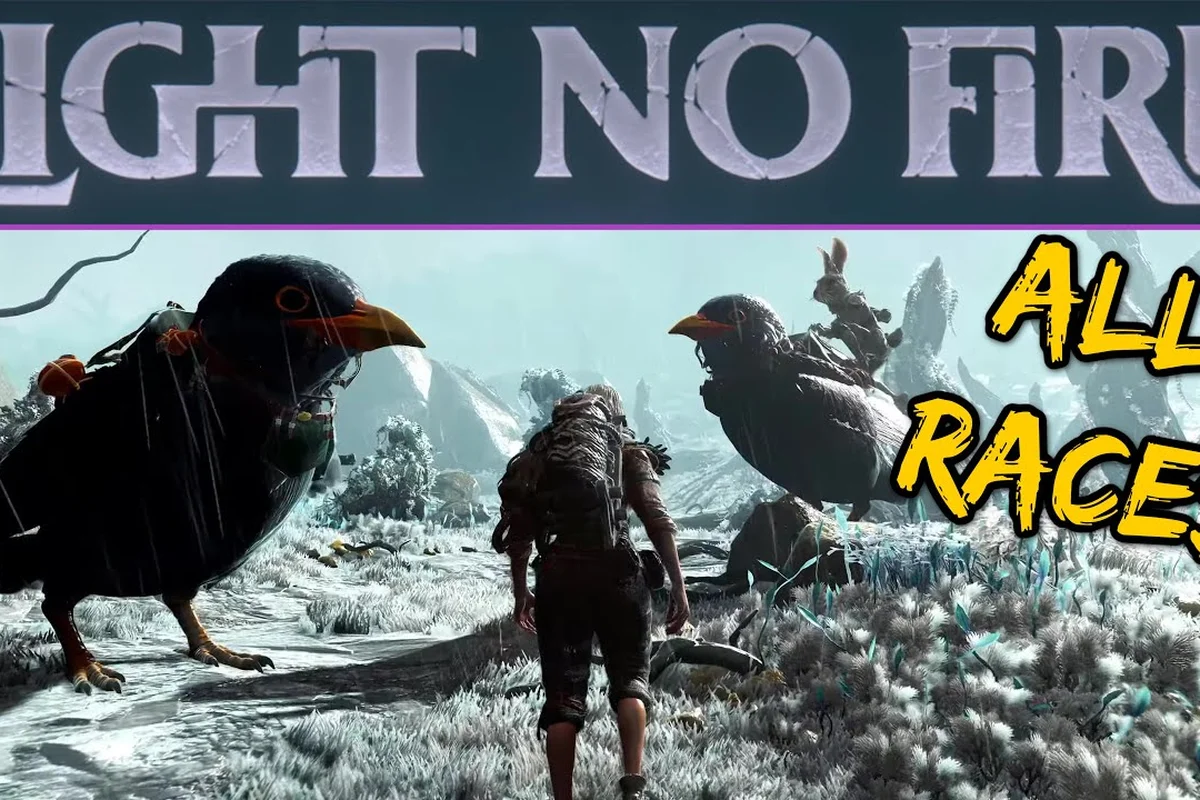
The Light No Fire character editor is your gateway into a fantasy Earth-sized planet where survival, exploration, and roleplay collide. Before you ever touch the ground, the choices you make here determine how you experience Hello Games' ambitious shared world—whether you're a lone wanderer, a cooperative builder, or a dedicated roleplayer. This guide breaks down every layer of the editor so you can craft a character that genuinely fits the way you want to play.
What makes this editor different from typical RPG character creators is its emphasis on fantasy species over rigid classes. The announcement trailer showcased rabbit-like people soaring on dragons, which hints at a system built around biological identity rather than job selection. That distinction matters because it shapes your stats, your social interactions, and even your survival strategy from the very first minute.
According to the Light No Fire Wikipedia page, the character editor focuses on detailed customization of facial features and body proportions, allowing players to fine-tune their avatar before entering the shared world.
Understanding the Light No Fire Character Editor
The character editor sits at the intersection of No Man's Sky's procedural DNA and classic fantasy RPG depth. Based on the official description of the game as "a game about adventure, building, survival and exploration together," the editor likely prioritizes character backgrounds that feed into emergent storytelling rather than min-maxed combat builds. This is a deliberate design choice that rewards players who think about who their character is, not just what their character can do.
When you first open the editor, you'll likely encounter several core systems working together. The species selection determines your physical form and inherent traits, while backgrounds provide narrative hooks and starting skill modifiers. Together, these systems create a foundation that the game's procedural world can react to—meaning two players with different setups will have genuinely different experiences on the same planet.
The editor's design philosophy appears to be about expressive identity over optimization. Since Light No Fire emphasizes that "you're not the hero" on this ancient Earth, your character is meant to be a participant in a living world rather than a protagonist destined for glory. That framing shifts how you approach every editor decision, because you're building a person who exists in a world, not a tool for completing quests.
Species Selection Fundamentals
Your choice of fantasy species is the most visible and mechanically significant decision in the editor. While Hello Games hasn't published a full species list, the trailer and community reports suggest a range from humanoid to beast-like forms. The rabbit-like people shown in the announcement trailer are particularly notable because they indicate that non-human species aren't just cosmetic reskins—they likely come with distinct locomotion, size, and interaction properties.
Species choice affects more than appearance because it probably influences your base stats, your movement speed, and even how NPC settlements react to you. A larger species might excel at carrying capacity but struggle with stealth, while a smaller species could access tight spaces but face challenges in combat. These trade-offs create meaningful decisions that reward replayability, since each species offers a genuinely different survival experience.
Background System Overview
Character backgrounds in the Light No Fire character editor likely function as narrative and mechanical anchors. Rather than picking a class like "warrior" or "mage," you might choose a background like "herbalist," "exile," or "cartographer" that provides starting knowledge, equipment, and skill bonuses. This approach aligns with the game's roleplaying emphasis and creates natural hooks for the procedural storylines you'll encounter.
The background system probably interacts with the world's lore in ways that surface during exploration. If your background is tied to a specific region or profession, you might receive unique dialogue options, crafting recipes, or map markers that other players won't see. This creates a strong incentive to choose backgrounds that match your intended playstyle, since the game appears designed to reward specialization and depth.
Fantasy Species and Their Roleplay Potential
The light no fire fantasy species roster is shaping up to be one of the most exciting aspects of the game, especially for roleplayers who want to inhabit a world that feels genuinely alien yet familiar. The trailer's rabbit-like people suggest a spectrum of possibilities, from classic fantasy races to entirely original creations that only Hello Games could dream up. Each species likely carries its own cultural weight, which opens up rich roleplay opportunities for players who enjoy inhabiting a character with a history.
When you're deciding light no fire what will you play, it helps to think beyond raw stats and consider the story you want to tell. A species that's rare or misunderstood might create more interesting social dynamics than a common one, while a species with natural survival advantages might let you explore more dangerous regions earlier. The editor seems designed to support this kind of thoughtful character building, which is why so many players are already planning their first characters.
The roleplay potential extends into how you interact with other players. Since Light No Fire is a shared-world game, your species choice becomes part of your identity to everyone you meet. Communities may form around species-based settlements, trade routes, or alliances, which means your editor decision could shape your entire social experience in the game. This is a significant departure from single-player RPGs where your character's race only matters in scripted interactions.
Comparing Species Archetypes
While the full species list remains unconfirmed, community speculation and the trailer give us enough to sketch likely archetypes. The following table outlines potential species categories based on what we've seen and what Hello Games has hinted at: expect the classic fantasy triad of human, elf, and dwarf to anchor the roster, with the trailer’s towering, horned figures pointing toward a playable orc/ogre variant and the swift, feline silhouettes suggesting a beastkin race. Because Light No Fire emphasizes a single, seamless planet rather than instanced zones, your species choice in the character editor will likely dictate more than cosmetics—it may influence starting biomes, passive traversal abilities (like climbing or swimming), and even how NPC factions react during procedural quest generation, making this initial selection as impactful as picking a class in a traditional RPG.
| Species Archetype | Likely Traits | Roleplay Potential | Survival Focus |
|---|---|---|---|
| Rabbit-like People | Small stature, agile, quick | Community builders, scouts, traders | Foraging, evasion, speed |
| Humanoid Baseline | Balanced stats, adaptable | Jack-of-all-trades, diplomats | Versatile survival |
| Large Beast Races | High strength, slow movement | Warriors, protectors, pack leaders | Combat, carrying capacity |
| Avian or Flying | Aerial mobility, light frame | Explorers, messengers, sky-dwellers | Vertical exploration, scouting |
| Aquatic Variants | Water breathing, swim speed | Coastal settlers, fishermen | Marine survival, underwater ruins |
These archetypes aren't confirmed mechanics, but they represent the range of possibilities that players are discussing across community forums. The key takeaway is that species choice creates a survival niche, which means your editor decision should align with the regions you want to explore and the activities you want to prioritize.
How Species Stats Shape Gameplay
Light no fire race stats will likely influence more than combat numbers. Based on the game's survival focus, species traits probably affect things like temperature tolerance, stamina drain, fall damage, and environmental interaction speeds. A small, quick species might climb faster and use less stamina, while a large species could break through obstacles or carry heavier loads with ease.
These stat differences create natural specialization without forcing players into rigid roles. You could play a rabbit-like scout who focuses on exploration and resource gathering, or you could play the same species as a nimble combatant who uses speed to outmaneuver larger foes. The stats provide a foundation, but your skill choices and equipment determine how you build on that foundation.
Character Backgrounds and Narrative Identity
The light no fire character backgrounds system appears designed to bridge the gap between your species choice and your personal story. While species defines your physical nature, backgrounds define your history and expertise. This two-layer approach gives you tremendous flexibility in creating a character that feels both unique and grounded in the game's world.
Backgrounds likely offer starting bonuses that complement your species traits. A rabbit-like character with a "warrior" background might start with combat training that offsets their smaller size, while the same species with a "scholar" background could begin with rare knowledge about ancient ruins. This synergy between species and background creates meaningful build variety without requiring a complex class system.
The narrative implications are equally important. Your background probably determines how the world introduces you to its conflicts and mysteries. A character with a "survivor" background might encounter different opening events than one with a "noble" background, which means replaying the editor with different choices can dramatically change your early hours. This aligns with the game's promise of a living, procedural world that reacts to player identity.
Background Archetypes and Starting Bonuses
While the exact background list hasn't been revealed, we can infer likely options based on the game's themes of adventure, building, survival, and exploration. Given the procedural nature of the planet and the emphasis on crafting a unique identity for your character, these backgrounds will likely function as more than cosmetic labels—they may gate initial skill proficiencies or dictate the starting biome you're dropped into. The following table outlines probable background archetypes and their potential starting benefits, focusing on how each choice might synergize with the game's core survival loops and the "light no fire" fantasy species you select.
| Background | Starting Bonus | Narrative Hook | Best For |
|---|---|---|---|
| Herbalist | Healing recipes, plant identification | Knowledge of natural remedies | Solo survival, support roles |
| Exile | Stealth bonuses, survival instincts | A mysterious past to uncover | Roguelike play, lone wolves |
| Cartographer | Map reveals, navigation bonuses | Unexplored regions calling | Explorers, completionists |
| Builder | Construction speed, blueprint knowledge | Rebuilding ancient structures | Cooperative play, base building |
| Beast Tamer | Animal affinity, mount bonuses | Bonding with wild creatures | Travelers, companion seekers |
These backgrounds would create meaningful early-game advantages that align with the game's emphasis on roleplaying. The best background choice depends entirely on your intended playstyle, which is why the editor likely encourages you to think about your long-term goals before committing.
Combining Species and Backgrounds
The real depth of the Light No Fire character editor emerges when you combine species and backgrounds creatively. A rabbit-like herbalist might excel at foraging in dense forests, while a large beast race with a builder background could construct massive fortifications that smaller species couldn't manage. These combinations create emergent playstyles that feel organic rather than prescribed.
This system rewards experimentation and replayability. Since the game features a shared planet with persistent elements, you might create different characters for different purposes—one for solo exploration, another for cooperative building, and a third for dedicated roleplay. Each character's species and background combination would genuinely change how you approach the world, which is exactly what the game's design philosophy seems to encourage.
According to the official Wikipedia entry for the game, the character editor is confirmed as a key feature, allowing players to customize their avatar's appearance before entering the shared world.
Roleplay Races and Community Identity
The light no fire roleplay races community is already buzzing with theories about which species will be available and how they'll interact. Because Light No Fire emphasizes cooperative play on a shared planet, your species choice becomes a social statement as much as a mechanical one. Players are already planning guilds, settlements, and trade networks organized around species identities, which suggests the editor will have lasting implications for community building.
When you're considering light no fire what will you play, think about the social dynamics you want to experience. A rare species might make you a curiosity that attracts attention, while a common species could help you blend into established communities. The game's emphasis on roleplaying depth suggests that these social dynamics will be meaningful, not just cosmetic.
The roleplay potential extends to how you approach the game's core activities. A species with natural climbing abilities might become a mountain guide for other players, while an aquatic species could specialize in underwater exploration and salvage. These organic specializations emerge from the editor's design, creating a world where players naturally develop complementary roles based on their character choices.
Building a Roleplay Identity
Creating a memorable roleplay character in the Light No Fire character editor involves thinking beyond mechanics. Consider your character's personality, motivations, and relationships before you finalize your choices. A background that explains why your character left their homeland, combined with a species that reflects their physical nature, creates a foundation for compelling storytelling.
The editor likely supports this depth through customization options that let you fine-tune your character's appearance and starting equipment. While we don't know the full extent of these options, community expectations are high based on Hello Games' track record with No Man's Sky's character customization. The key is to approach the editor as a storytelling tool rather than a stat allocation screen.
Species and Social Dynamics
Your species choice in the Light No Fire character editor probably influences how NPCs and other players perceive you. Based on the game's fantasy setting and roleplaying depth, different species likely have different reputations and cultural associations. A species known for wisdom might receive warmer greetings from scholars, while a species with a warrior reputation could intimidate peaceful NPCs.
These dynamics create natural roleplay opportunities without requiring scripted systems. Players who embrace their species identity can lean into these perceptions, while those who prefer to defy expectations can create interesting character arcs. The editor's design seems to support both approaches, which is why it's generating so much excitement among roleplayers.
Race Stats and Survival Strategy
Understanding light no fire race stats is crucial for planning your survival strategy, especially in the early game when resources are scarce and dangers are unknown. While the full stat system hasn't been detailed, we can infer likely categories based on the game's survival mechanics and the species archetypes shown in the trailer.
The following table outlines potential stat categories and how different species might rank, giving you a quick reference before you commit to a character in the Light No Fire character editor. While the editor lets you fine-tune individual attributes, your choice of fantasy species sets the baseline for your entire survival strategy—a Faun's innate agility and woodland affinity, for example, will naturally favor a nomadic, stealth-based playstyle, whereas a hulking Giant's raw Strength stat demands a build centered on heavy combat and resource hauling. Use this table to align your species' inherent strengths with your preferred roleplay race and background, ensuring your Light No Fire character backgrounds synergize rather than fight against your chosen survival approach.
| Stat Category | Rabbit-like | Humanoid | Large Beast | Avian | Aquatic |
|---|---|---|---|---|---|
| Speed | High | Medium | Low | High | Medium |
| Stamina | Medium | Medium | High | Low | Medium |
| Strength | Low | Medium | High | Medium | Medium |
| Stealth | High | Medium | Low | Medium | Low |
| Swimming | Low | Medium | Low | Low | High |
| Climbing | High | Medium | Medium | High | Low |
These rankings are speculative based on community analysis and the trailer's depictions, but they illustrate how species choice creates a survival niche. A rabbit-like character should prioritize speed and stealth, avoiding direct combat in favor of hit-and-run tactics. A large beast race, by contrast, might thrive in open combat but struggle with stealth-based activities.
Optimizing Your Species for Survival
Your light no fire character editor choices should align with your intended survival strategy. If you plan to explore the planet's vast oceans, an aquatic species with swimming bonuses would be invaluable. If you intend to build a mountain fortress, a species with climbing advantages could reach otherwise inaccessible locations.
The key is to think about the environmental challenges you expect to face and choose a species that gives you an edge. Since the planet is Earth-sized with diverse biomes, you'll likely encounter everything from frozen peaks to scorching deserts. A species with temperature tolerance might have an easier time in extreme regions, while a species with natural camouflage could excel in forested areas.
Species-Specific Strategies
Each species archetype likely benefits from different early-game strategies. Rabbit-like characters should focus on speed-based activities like scouting, foraging, and hit-and-run combat. Humanoid characters have the flexibility to adapt to any situation, making them ideal for players who want to experience everything the game offers. Large beast races should lean into their strength advantages, focusing on combat, construction, and carrying heavy loads.
Avian characters might excel at vertical exploration, reaching high-altitude resources and locations that ground-bound species can't access. Aquatic variants should prioritize coastal and underwater exploration, where their natural advantages shine. These species-specific strategies create natural variety in how players approach the shared world, which is exactly what the game's design seems to encourage.
Making Your Final Character Decision
When you're ready to use the Light No Fire character editor, take time to consider your long-term goals. The choices you make here will follow you throughout your journey, so it's worth thinking about the kind of experience you want. If you're planning to play with friends, coordinate your species and background choices to create complementary roles within your group.
The light no fire what will you play question doesn't have a single correct answer, but it does have a right answer for you. Consider your preferred playstyle, the activities you enjoy most, and the roleplay opportunities that excite you. The editor is designed to support diverse approaches, so trust your instincts and create a character that feels right.
Remember that the game emphasizes "adventure, building, survival and exploration together," which means your character is part of a larger community. A species and background that create interesting interactions with other players will likely provide more lasting enjoyment than one optimized purely for solo play. As more details about the editor emerge, the community will continue refining its understanding of the best combinations, but the foundation is already clear: thoughtful choices create memorable experiences.
For a deeper look at how different species compare, check out our Light No Fire playable races guide which breaks down each confirmed species in detail. If you're torn between options, our best race analysis offers a data-driven comparison of survival advantages. And for those interested in the narrative side, our race lore exploration dives into the cultural backgrounds that make each species unique.
Frequently Asked Questions
What is the Light No Fire character editor?
The Light No Fire character editor is the character creation system where players choose their fantasy species, set their character backgrounds, and customize their appearance before entering the shared planet. It emphasizes roleplay identity over rigid classes, allowing players to create characters that reflect their intended playstyle and narrative preferences.
Can I change my species after character creation?
No, once you finalize your character in the Light No Fire editor, your species is locked permanently. Your choice shapes your racial bonuses and narrative identity, so review the race stats and roleplay potential before committing. There is no in-game respec mechanic for species, only cosmetic customization.
How do character backgrounds affect gameplay?
Character backgrounds in the Light No Fire character editor provide starting bonuses, equipment, and narrative hooks that shape your early experience. A background like herbalist might grant healing recipes, while exile could offer stealth advantages. These choices create meaningful differences in how you approach the game's survival, exploration, and building systems.
Which species is best for solo players?
Solo players typically benefit from versatile species with balanced stats, though the best choice depends on your preferred activities. Humanoid baseline species offer adaptability, while rabbit-like characters excel at speed and stealth for hit-and-run survival. Consider the environments you plan to explore and choose a species with natural advantages for those regions.
Will race stats matter in cooperative play?
Race stats create natural specialization that can be valuable in cooperative play. A group with diverse species can cover more survival niches, with some members excelling at combat while others handle exploration or building. Coordinating species choices with your group can create a well-rounded team that thrives across the planet's varied environments.